

Australia’s global education appeal has always been built on a simple idea: the promise of quality learning in a welcoming environment. Yet as digital listening reveals, that promise is now being examined more critically by the very students who make the system thrive.
Across verified online forums and social channels, international students are re-evaluating what it means to study in Australia. They are weighing cost against community, and opportunity against confidence. Their words reveal how financial stability, social inclusion, and transparent communication have become the real measures of a positive student experience.
The data tells a consistent story. When affordability feels manageable, when friendships form easily, and when information is clear, sentiment improves. When those foundations falter, trust and engagement quickly decline.
1. Affordability Shapes More Than Finances
The cost of living has become the defining issue of the international student experience. Mentions of “rent”, “budget”, and “part-time work” increased steadily through the quarter, showing that financial pressures dominate online discussion.
Students describe the strain of balancing tuition with housing and day-to-day expenses. They often link financial hardship with social isolation and fatigue, showing that affordability affects far more than budgets. One student shared that they “can barely work enough to cover rent in a shared house, let alone tuition.”
I’m a prospective international student from Singapore…Going to unsw is basically going to my dream school from ever since I was a kid…I’m worried about the cost of living and finding a part time job as I heard that most jobs tend to be very competitive.
- International Student Voice
For universities, this creates both a challenge and an opportunity. Financial wellbeing directly influences academic performance and community participation. Every policy that supports affordability contributes to student belonging.
2. Connection is the Measure of Confidence
When students feel supported, their posts reflect pride, gratitude, and optimism. When they struggle to connect, they describe frustration and loneliness.
Across social media, students discussed how friendships, local acceptance, and community events shape their overall impression of life in Australia. The data shows that emotional wellbeing and perceived quality are strongly linked.
After the August protests around immigration, emotional sentiment briefly shifted. Feelings of worry and isolation rose, especially among Asian students, yet many conversations soon returned to stories of resilience, peer support, and encouragement.

(Quality of Educational Experience Emotions Breakdown Q3 2025)
Institutions that promote cultural exchange, encourage domestic-international interaction, and highlight genuine student experiences consistently attract higher positive engagement online. Connection builds confidence, and confidence builds reputation.
3. Clarity Creates Trust Before Arrival
Students consistently express uncertainty about admissions, grading expectations, and post-study work options. Application periods bring spikes in questions and peer-led advice threads, where students try to interpret complex or inconsistent information.
The challenge is less about access to information and more about determining which sources are reliable. With so much information spread across multiple platforms, students naturally gravitate towards university websites and official sources they trust. Institutions that explain entry requirements clearly, outline decision timelines, and maintain consistent updates across channels can effectively guide the entire information flow, establishing credibility well before enrolment.
I’m considering doing a Master’s abroad in countries like Australia, the US, Japan, New Zealand or any other…I’ve heard mixed things about Visa rejections in countries like Australia and US in 2025. Are countries like Australia, the US, or New Zealand better in terms of ROI, visa success,…?
- International Student Voice
When universities publish accurate entry requirements, explain their decision timelines, and keep updates consistent across channels, they establish credibility well before enrolment.
4. Housing and the Hidden Emotional Economy
The housing shortage continues to influence perception of Australia’s student experience. Rising rents, limited campus accommodation, and intense competition for affordable housing dominate discussions about life after arrival.
Within these posts, many students describe shared housing as both a source of stress and an unexpected place of connection. They find comfort in building small communities that support one another. This emotional resilience keeps optimism alive even during challenging circumstances.
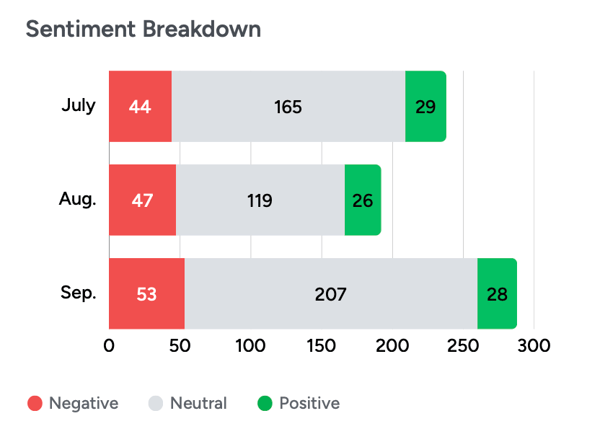
(Living & Logistics Sentiment Breakdown Q3 2025)
Understanding this emotional layer is crucial. Students who feel supported in navigating basic needs tend to remain positive about their studies and their host country.
A Shift Toward Assurance
The overall sentiment this quarter reflects cautious optimism. Australia remains a destination of choice, but the expectations are evolving. Students value transparency as much as prestige, and community as much as academic quality.
The next phase of international education success will rely on assurance. Students want proof that institutions and policymakers understand their real concerns and are acting on them. When they see evidence of care through affordability programs, peer initiatives, and straightforward communication, they respond with loyalty and advocacy.
The conversation among international students is clear. They still believe in Australia’s promise, but they measure that promise differently. Financial stability, social belonging, and clarity of information have become the true benchmarks of success.
Education providers who listen and adapt to these priorities are not only improving student experience but shaping how Australia is perceived globally.
Belonging, in every sense, has become the foundation of the modern international education journey.
|
|
Curious how evolving student expectations will shape your strategy?
Access your free sample report on Destination Australia: Competitor Destinations to uncover the latest insights on student sentiment, engagement patterns, and opportunities to strengthen your 2026 approach. |